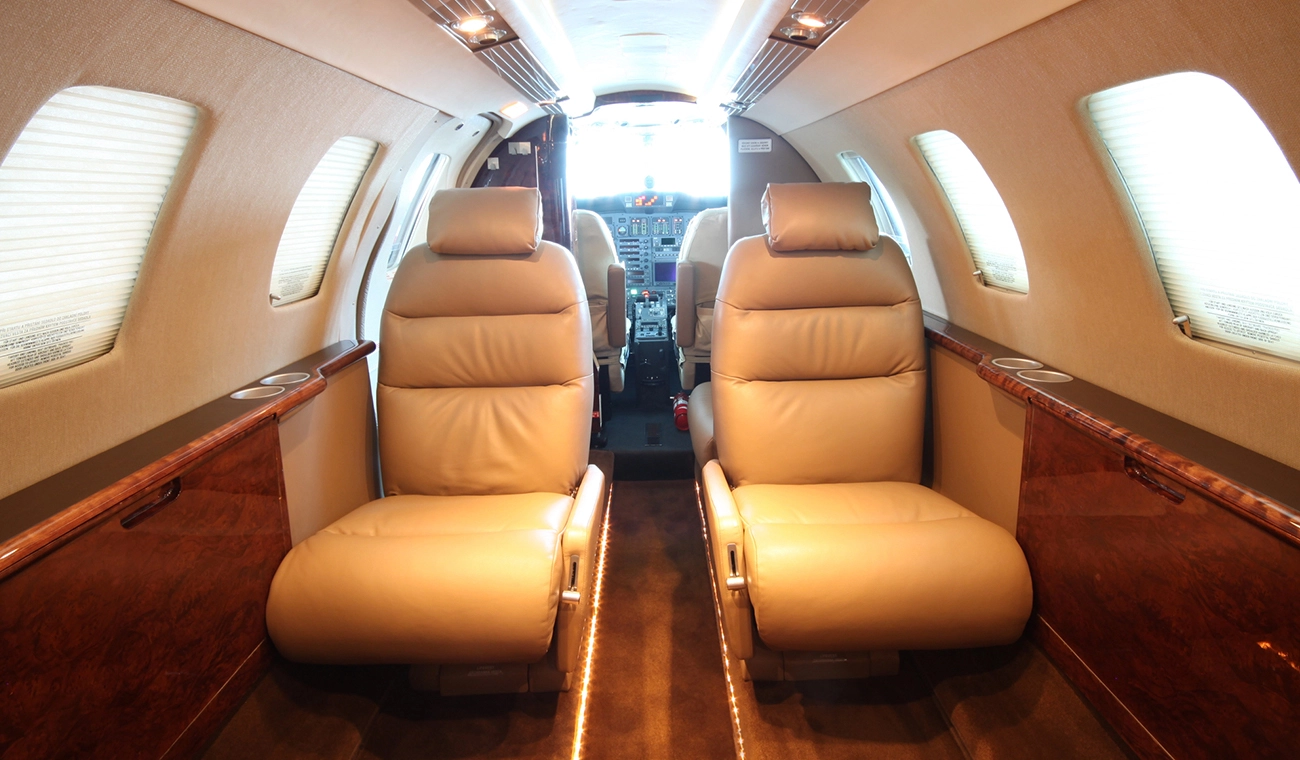
Private Jet Cabins: Why Bigger Is Not Always Better
A larger private jet cabin can look impressive in photographs, yet size alone rarely determines how enjoyable a flight will feel. Extra floor space means little if the seating arrangement clashes with your plans, the cabin feels impersonal, or the aircraft is poorly suited to your route. Sometimes, a compact jet provides greater privacy, easier access, shorter ground times, and a more inviting atmosphere. Choosing intelligently requires looking beyond cabin dimensions and passenger capacity. Before booking the largest aircraft available, consider how you want to travel, who will join you, and what you expect to accomplish between departure and arrival each time.
The Appeal of a Large Private Jet Cabin
There is an understandable reason travelers notice cabin size. Large aircraft can offer separate seating zones, spacious washrooms, longer beds, generous storage, and room for several passengers to move around. For long journeys or group travel, those features may add meaningful convenience.
The mistake is assuming that more space automatically creates a better private jet experience. A cabin should support the journey rather than simply look impressive on a specification sheet. If only two people are flying for a short business meeting, an aircraft designed for a large group may feel excessive. Passengers could end up paying for seating, storage, and facilities they never tend to use.
Effective private jet charter planning begins with purpose. Cabin size matters, but it should remain one part of a wider decision involving route length, airport access, passenger needs, luggage, schedule, and preferred atmosphere.
Bigger Aircraft Can Limit Airport Choice
One of the strongest advantages of private aviation is access to smaller airports to the passenger’s destination. A larger jet may reduce that advantage because it can require longer runways, wider operating areas, or facilities that certain regional airports cannot provide.
A smaller private jet may be able to land an airport located near a remote resort, industrial district, private estate, or secondary city. Using that airport could shorten the road journey after landing and make the entire trip feel smoother. A larger aircraft might need to use a major airport farther away, adding traffic, terminal activity, and ground travel.
The true value of a private flight is not measured only in cabin width. It is measured from the passenger’s starting point to the final destination. A compact cabin paired with a conveniently located airport may create a far more efficient journey.
Match the Cabin to the Passenger Count
Passenger capacity deserves close attention during private jet booking. Aircraft listings often state the highest number of people a cabin can accommodate, but that figure does not reveal how the space will actually feel.
Eight passengers traveling with several suitcases, presentation materials, or sports equipment may need a different aircraft from eight passengers carrying small overnight bags. Likewise, two passengers do not necessarily need a cabin containing ten or twelve seats simply because they prefer space.
An oversized cabin can weaken the sense of connection among passengers. People may sit far apart, conversation may feel less natural, and unused areas can make the surroundings seem empty. A thoughtfully arranged smaller cabin often creates a warmer setting for families, partners, or close colleagues.
Consider What You Will Do During the Flight
A cabin should fit the activities planned for the journey. Business passengers may need facing seats, accessible tables, charging points, and a setting that supports discussion. Families may value flexible seating, entertainment options, and easy movement between seats. Couples may prefer privacy and a quieter cabin arrangement.
These requirements can matter more than overall dimensions. A large private jet with an unsuitable layout may be less useful than a smaller aircraft with the right configuration. For example, extra seats offer little value when passengers need a practical table for reviewing documents. A wide aisle may not matter when the main priority is resting without interruption.
Before selecting an aircraft, imagine the flight from beginning to end. Will you work, dine, sleep, talk, watch a film, or simply enjoy the view? That answer should guide the cabin choice more strongly than photographs showing an empty interior.
Short Flights Rarely Need Enormous Cabins
For a flight lasting one or two hours, passengers may spend little time using elaborate cabin features. There may be no need for separate sleeping area, several dining zones, or extensive onboard features. Boarding ease, airport location, seating comfort, and schedule flexibility may provide greater value.
Light and midsize private jets are often well suited to regional routes. Their cabins can offer comfortable seating, practical storage, and a calm environment without adding unnecessary scale. They may also support quicker aircraft positioning and access to a broader range of airports.
This does not mean travelers should always select the smallest option. Headroom, luggage volume, mobility requirements, and passenger count still matter. It means the aircraft should reflect the duration and purpose of the journey. Paying for unused space on a brief route does not automatically improve the experience.
Cabin Layout Matters More Than Raw Dimensions
Two private jet cabins with similar measurements can feel completely different. Window placement, seat width, aisle design, lighting, ceiling shape, colors, and furniture arrangement all influence the sense of space.
A cabin with well-positioned seats and clear walking areas may feel open even when its dimensions are modest. Another cabin may be wider on paper yet feel crowded because too many seats have been fitted into it. This is why travelers should look beyond basic aircraft specifications.
Ask for the actual seating plan before making a private jet charter decision. Learn whether seats face one another, convert into sleeping positions, swivel, recline, or sit beside tables. Review photographs of the specific aircraft whenever they are available, since interiors can vary within the same aircraft model.
Good design makes space useful. Size without intelligent layout can become an expensive distraction.
Privacy Does Not Always Require More Space
Privacy is often associated with large aircraft containing separate rooms, but more space doesn’t always create greater seclusion. Privacy also depends on passenger count, seat position, crew movement, cabin layout, and noise levels.
A smaller aircraft reserved for one traveler, a couple, or a compact group can feel highly personal. With fewer people aboard, there may be less movement, fewer conversations, and fewer interruptions. The entire cabin effectively becomes one private zone.
For travelers discussing sensitive business matters, the ability to speak comfortably may be more important than having several separate sections. For families, keeping everyone within easy reach may be preferable to dividing people across multiple areas.
Rather than asking which cabin is largest, ask which aircraft creates the right level of interaction. The answer may be a spacious long-range jet, but it may just as easily be an intimate cabin with fewer seats.
Luggage Can Change the Entire Decision
Cabin size and luggage capacity are not the same thing. A jet may have generous passenger space while offering limited storage for large cases or unusual items. Another aircraft with a smaller cabin may provide a more suitable baggage compartment.
Travelers should disclose their luggage requirements early, especially when carrying skis, golf equipment, musical instruments, product samples, presentation displays, or several large suitcases. Some baggage compartments can be accessed during the flight, while others cannot. Temperature conditions and door dimensions may also influence what can be transported.
This is one area where assumptions can create avoidable disruption. Choosing an aircraft because its cabin looks spacious doesn’t mean every item will fit.
A strong charter request includes passenger numbers, bag quantities, approximate dimensions, and any unusual equipment. These details help identify an aircraft what works in practice, not merely in promotional images.
Questions to Ask Before Booking
Travelers can make a more informed private jet cabin selection by asking a few direct questions:
- How many passengers will travel on each flight segment?
- How long will everyone remain onboard?
- Which airports can this aircraft access?
- How much luggage space is available?
- Can unusual equipment be accommodated?
- What is the exact seating arrangement?
- Will passengers work, dine, rest, or hold discussions?
- Can the seats convert for sleeping?
- Is the baggage compartment accessible during flight?
- Are there mobility or accessibility requirements?
- Does the aircraft suit the full route without unnecessary stops?
These questions move the conversation beyond surface-level comparisons. They also help charter providers understand what the passenger values.
The better the information supplied at the beginning, the easier it becomes to match the journey with a cabin that feels comfortable, practical, and appropriately sized.
Choose the Experience, Not the Largest Aircraft
Private jet travel should feel designed around the passenger. That experience comes from thoughtful aircraft selection, suitable airport access, useful amenities, and a cabin arrangement aligned with the journey.
Before booking, define what the flight needs to achieve. Share the route, passenger count, luggage planned activities, and personal preferences with the charter provider. When the aircraft fits those details, every part of the trip feels intentional.
The ideal private jet cabin is not the biggest one available. It is the one that makes the journey work beautifully.
